
The CRM does not match the workflow
Teams create workarounds outside the system because the screens, stages and rules were designed for a different kind of business.
Custom CRM development Leeds
We build tailored customer and case-management systems for organisations with complex workflows, connected data and requirements that standard CRMs cannot handle cleanly.
Not another generic pipeline
Many CRM projects fail because the software begins with a standard sales funnel while the organisation actually manages cases, applications, agreements, assets, claims, collections or long-running customer relationships.
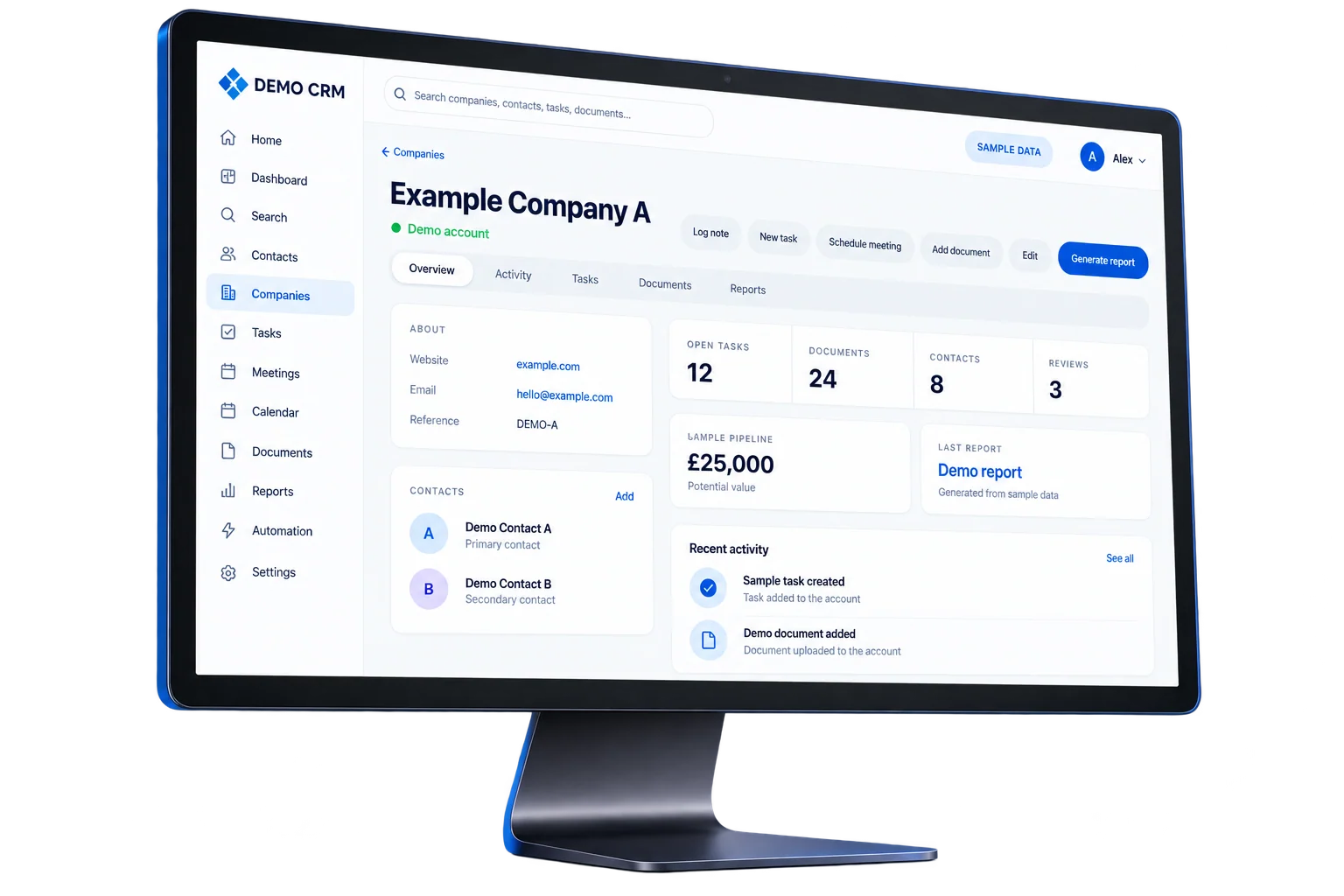
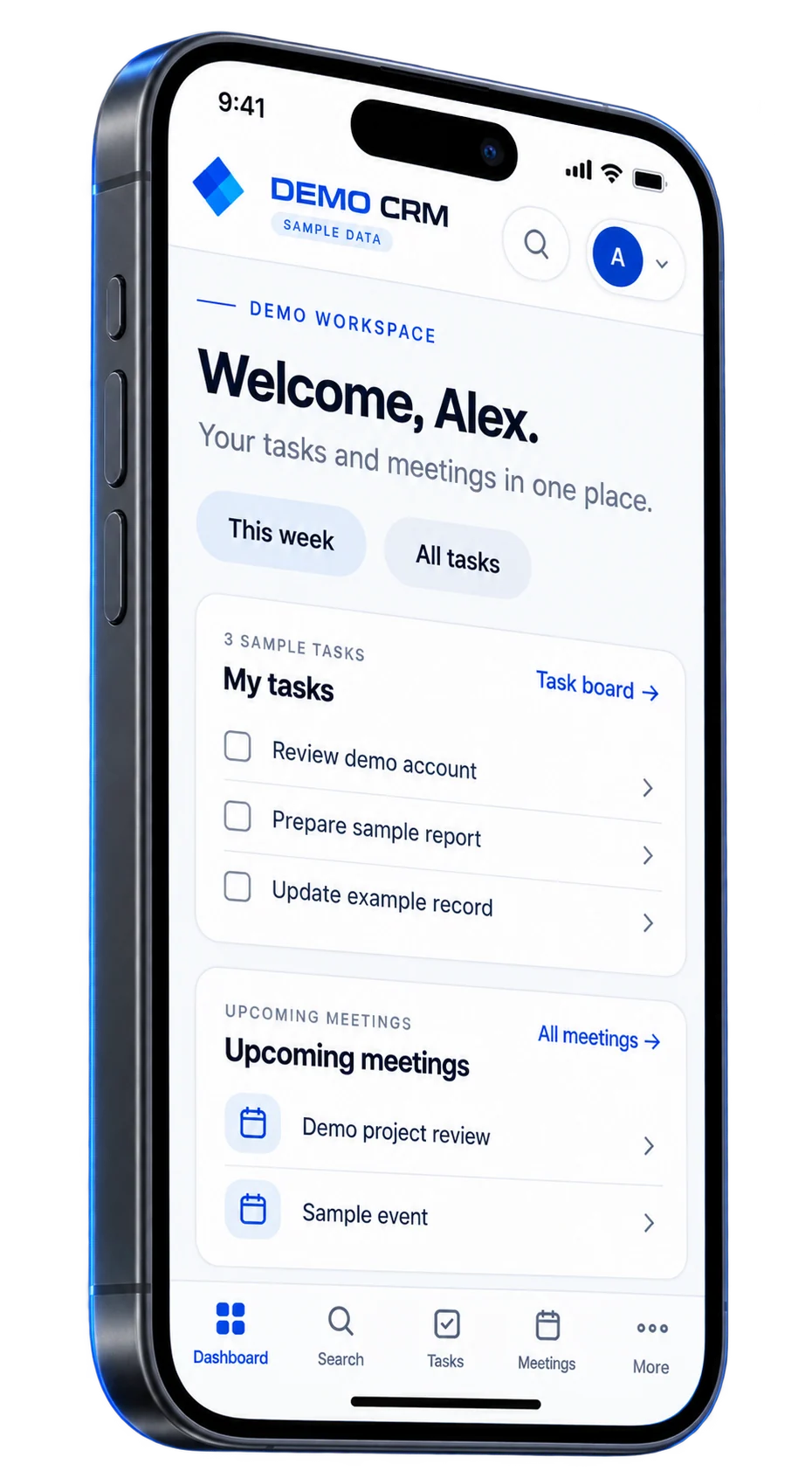
We design the data and workflow around the real operation. That can mean complex record relationships, different team permissions, automated tasks, integrations and reporting that answers the questions the business genuinely asks.
Explain where your current CRM falls shortBuilt for operational reality
We have experience around finance, lending, collections, property and other operations where data structure, accountability and process control matter.
Teams create workarounds outside the system because the screens, stages and rules were designed for a different kind of business.
Important context sits across inboxes, spreadsheets and separate tools, leaving staff without a dependable complete view.
We structure data and activity so useful operational reporting is part of the system rather than a monthly manual exercise.
We map the data, relationships, business rules and integrations before planning a tested migration to modern technology.
Custom CRM capabilities
The aim is not to add more screens. It is to give people the information and actions they need, while protecting the quality of the underlying data.
Stages, decisions, tasks and exceptions reflect how the organisation works rather than a generic sales pipeline.
Structure customers, organisations, cases, agreements, assets, communications and other connected information clearly.
Control who can see or change information and retain a useful record of important activity.
Trigger follow-ups, ownership changes, reminders and checks without relying on somebody remembering every step.
Design dashboards and exports around the decisions managers and teams actually need to make.
Connect enquiries, websites, communications and suitable third-party systems to reduce manual handling.
Data migration and integration
A reliable CRM migration preserves relationships and meaning: which records belong together, what a status really means, which history is essential and who should have access. We plan those decisions before the final import.
Where appropriate, the new CRM can also connect website enquiries, communications and other business software so the customer journey is no longer broken between systems.
How we build it
We map what happens today, where it fails and what staff need to make better decisions.
We define the records, relationships, roles, audit needs and integration boundaries.
Real screens and journeys are reviewed with users so the system improves before launch.
Data is tested, users are prepared and the CRM is supported as the organisation grows.
Custom CRM questions
A custom CRM is appropriate when important workflows, data relationships, permissions or integrations cannot be handled sensibly by a standard product. We will not recommend custom development when a configured off-the-shelf system is the better answer.
Yes. We map the old fields and relationships, identify duplicates or inconsistent records, run test migrations and validate the result before the final move.
Where the other systems provide suitable access, the CRM can be designed to receive website enquiries and exchange data with operational, finance, communications or reporting tools.
Yes. Roles and permissions can be designed around responsibilities, protecting sensitive information while giving each team the tools and records needed for its work.
Ongoing hosting, maintenance, monitoring, improvements and user support can be included in the agreed service.
Custom CRM development Leeds
Start with the workflow and the business problem. We will help determine whether a custom CRM is the right answer and what a sensible first phase looks like.
Discuss your CRM